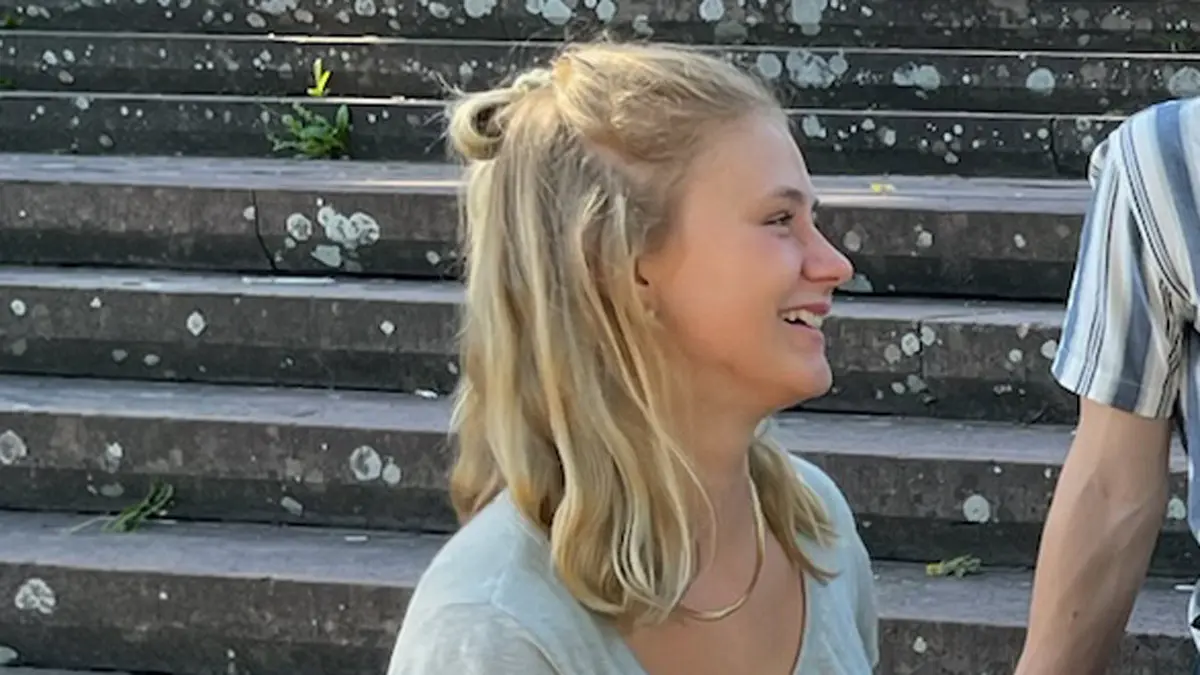
Hannah Zink
At present, the water testing market is highly fragmented: there are comprehensive laboratory tests, but these can only be carried out by qualified personnel in a professional setting. On the other hand, there are mobile testing devices that are limited to very specific applications – such as pool testers. To detect specific contaminants such as heavy metals or microorganisms, disposable test strips are usually used. However, these are neither sustainable nor flexible, as they must be disposed of after a single use and only ever assess a single parameter in isolation.
Our device breaks free from these limitations: it tests water quality in general by simultaneously measuring conductivity, redox potential, density, turbidity and absorption. The key unique selling point lies in the software’s intelligence: an integrated AI uses the recorded measurements as input for a precise overall analysis. In doing so, it does not merely compare against rigid thresholds, but understands and evaluates the complex interrelationships between the individual parameters that are influenced by contaminants. The data is transmitted via Bluetooth to the user’s smartphone, where it is analysed in real time and clearly displayed in the accompanying app using an intuitive traffic light system.
What are your biggest challenges at the moment?
We are currently facing challenges on both a technical and organisational level. The ongoing development of the hardware prototype, the mobile app and the AI model entails continuous costs for infrastructure, services and licences, which we need to cover on a regular basis.
Whilst I have spent the past few months immersing myself in the technical details of app programming and AI development, my role as a manager presents a very different, personal challenge. In our small team, it is essential to make confident decisions, allocate tasks strategically, write development tickets and lead meetings in a focused manner. As these leadership skills are often neglected in traditional degree programmes, I see EXIST-Women as a fantastic opportunity to grow in precisely this area.
What is your goal for the duration of the EXIST-Women programme?
During the EXIST-Women programme, I want to learn how to successfully lead teams, inspire collaboration and effectively achieve shared milestones. I’m looking forward to meeting strong, inspiring female founders through the programme, exchanging experiences and learning from each other’s challenges and strengths.
Alongside my personal development, the focus is on the technical maturation of our project, as we are still in an early phase. I will use this time to consistently drive forward my areas of responsibility – app development and the seamless integration of AI – and take the prototype to the next level.