Iremia
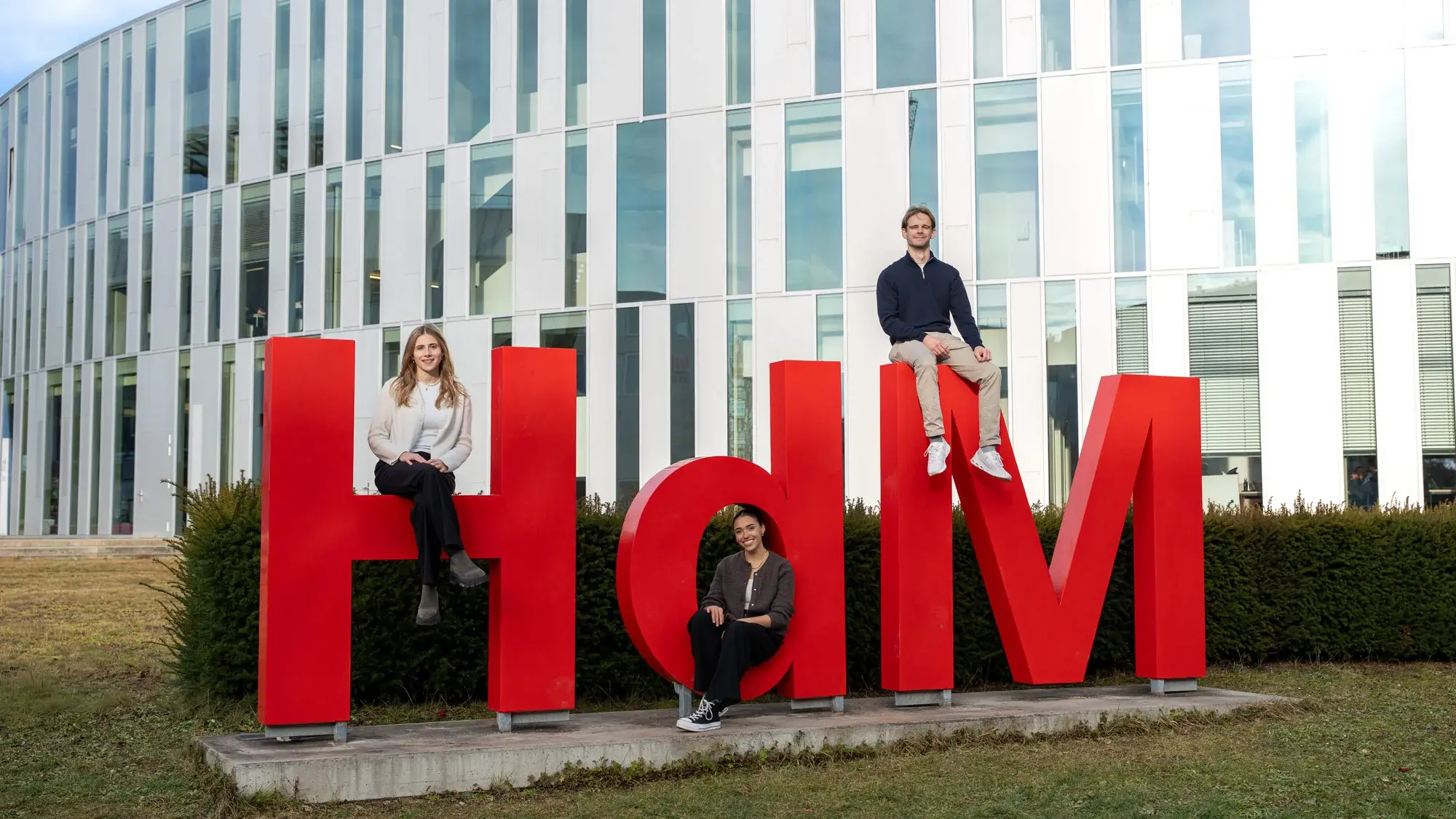
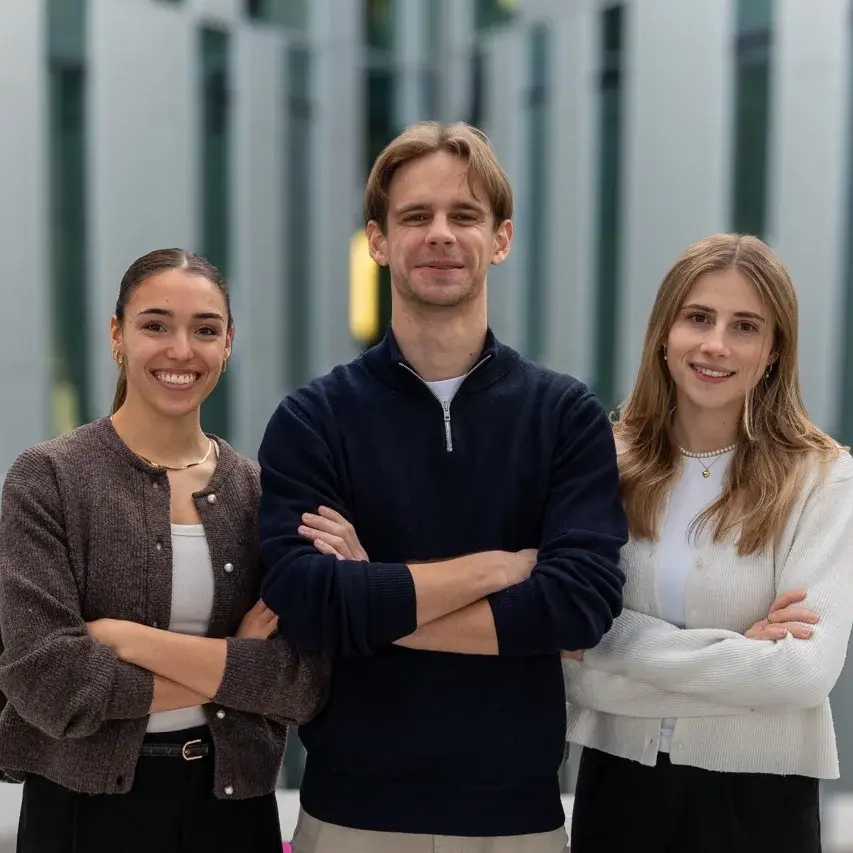
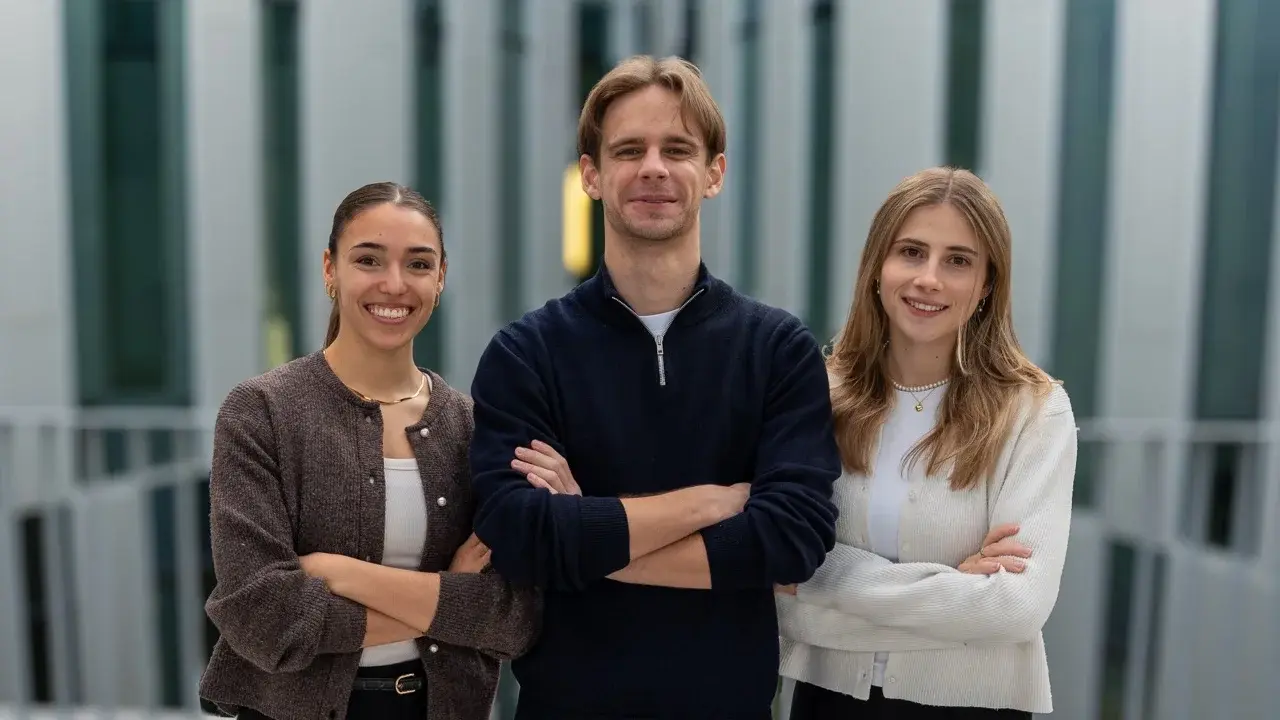
Iremia was developed as part of a university project at Hochschule der Medien Stuttgart and was initially called “Stressless”. The project was inspired by the prevalence of panic attacks and stress-related issues within the team’s personal circles. It quickly became clear that whilst many affected individuals were aware of coping strategies, they were dissatisfied with their current approaches. This observation gave rise to the idea of developing a digital tool that addresses precisely this need: as an accessible, always-available companion that provides support without overwhelming the user. Initial concepts and prototypes were developed iteratively and tested with users at an early stage. A key milestone was the presentation of the first prototype at MediaNight during the 2024/25 winter semester, where Iremia was awarded the Students Media Choice Award. The positive feedback from those affected and our mentor Prof. Dr Ansgar Gerlicher, as well as from the university community, encouraged the team to pursue the idea further and to develop Iremia beyond the scope of the study project as a standalone product.
What has been your biggest challenge so far?
The biggest challenge over the past year was juggling so many different tasks at once – from product development and user feedback to networking, funding schemes and the EXIST application. At the same time, we had to strike a balance between making rapid progress and ensuring responsible, sensitive implementation in the field of mental health. The biggest challenge was juggling many different tasks at once – from product development and user feedback to networking, funding programmes and the EXIST application. At the same time, we had to strike a balance between making rapid progress and ensuring responsible, sensitive implementation in the field of mental health.
Do you have any tips for start-up founders?
Genuine feedback from users helps to test assumptions, identify needs and make the product truly user-friendly. Especially when it comes to issues such as mental health, it is also important to look after yourself: take breaks seriously, respect your limits and work sustainably rather than operating under constant stress.